Impact

The work on the ground

Restoration measured not in seedlings distributed but in trees still standing years later — and in the communities that keep them alive.

Impact gallery

Photographs from the sites

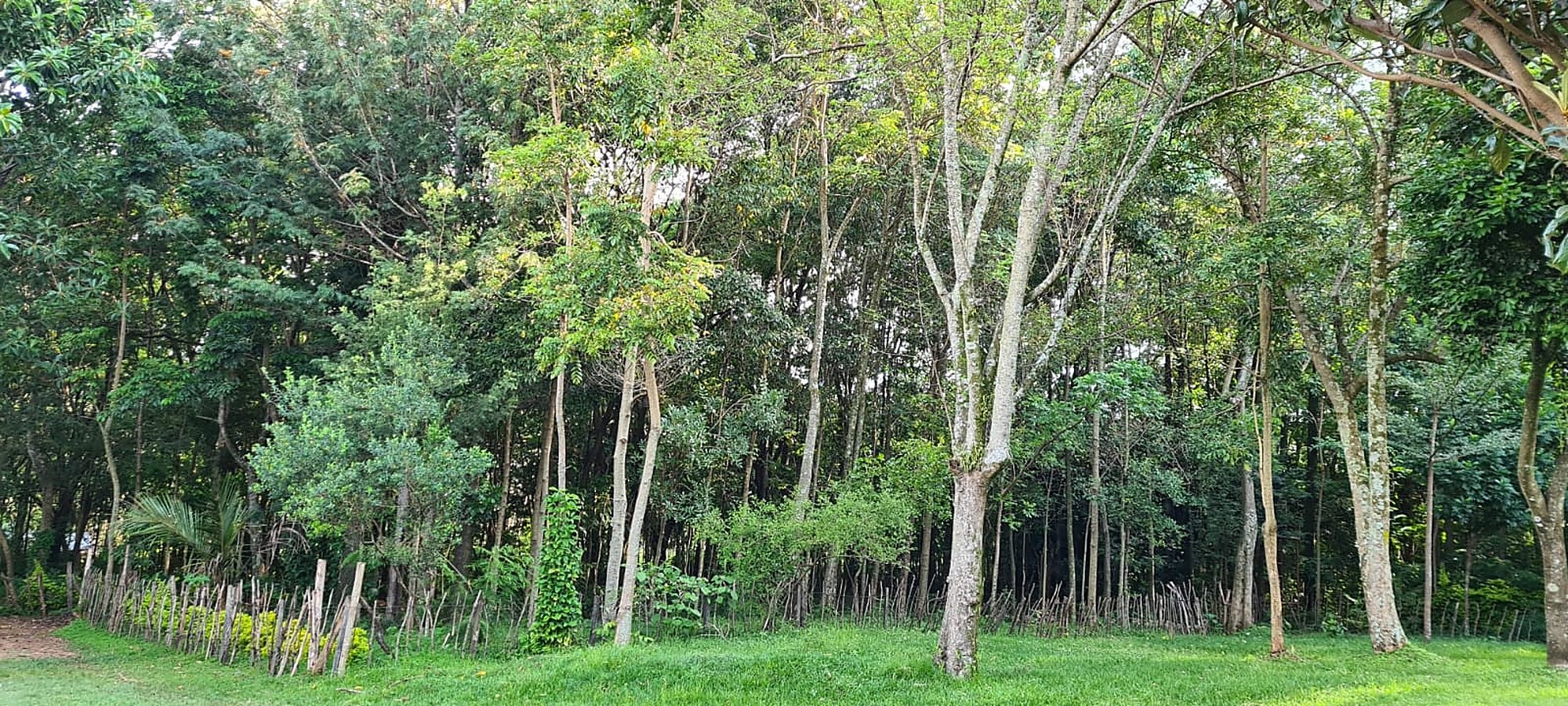
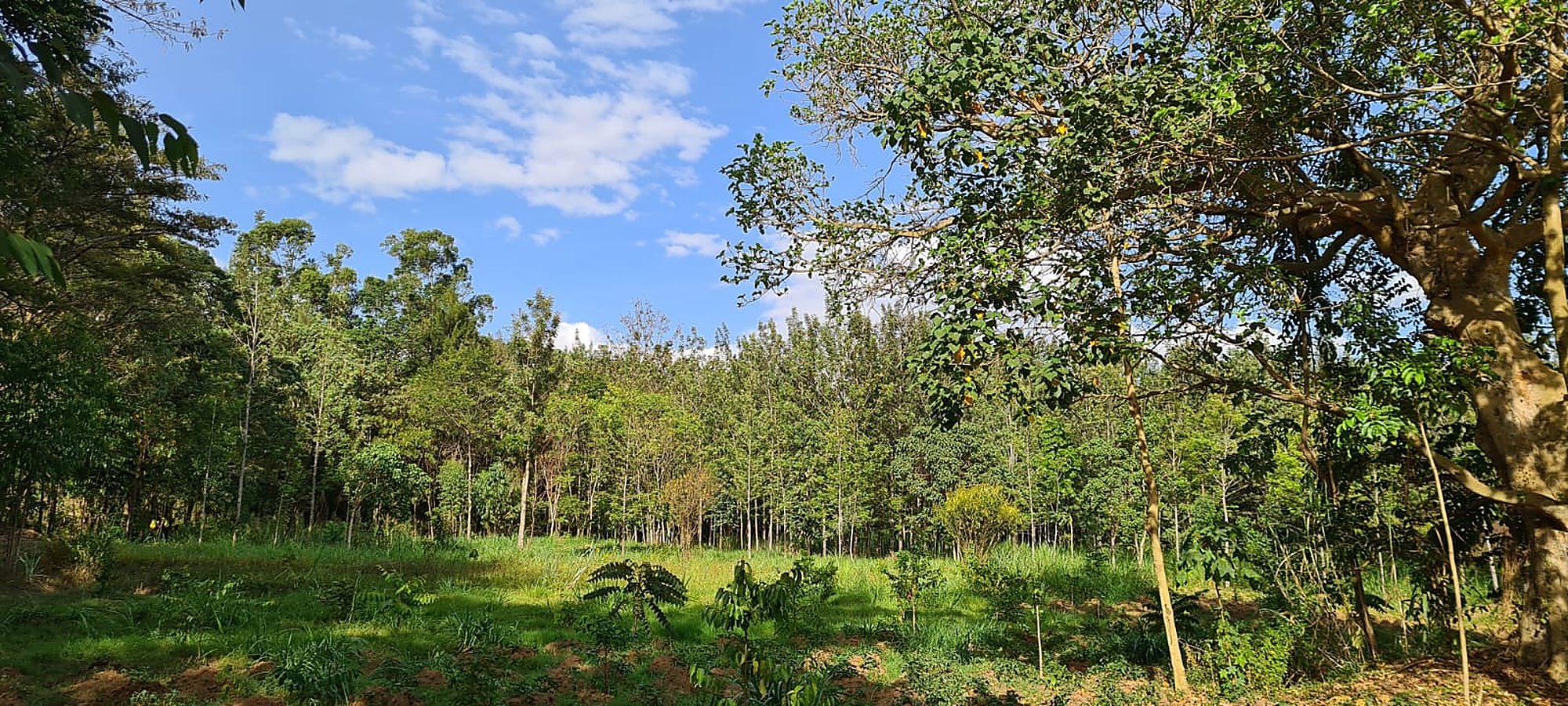
Panoramic view from the highway of the nine-acre urban forest which started from a handful of seedlings
Mature indigenous trees behind a stick fence on the homestead forest
Where it began. Nine acres of homestead forest in Western Kenya, twenty-five years on.
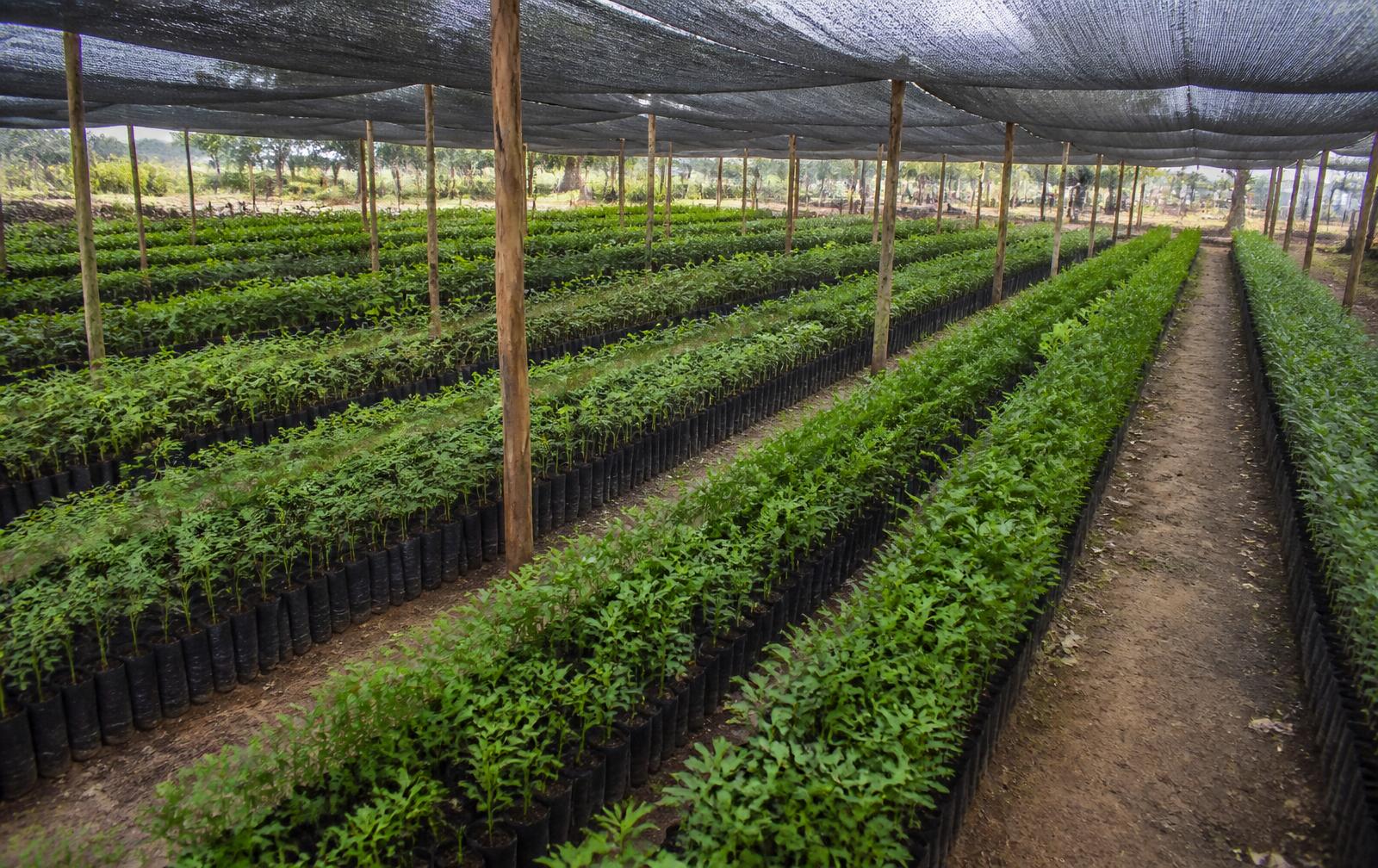
Rows of seedlings under shade netting at a community tree nurseryMary Munei Community Resource Centre (MCRC) logo
At least one million seedlings raised and shared with communities, including the community-led schools environment programme. The MCRC nursery in Bungoma, 2004 to 2011.
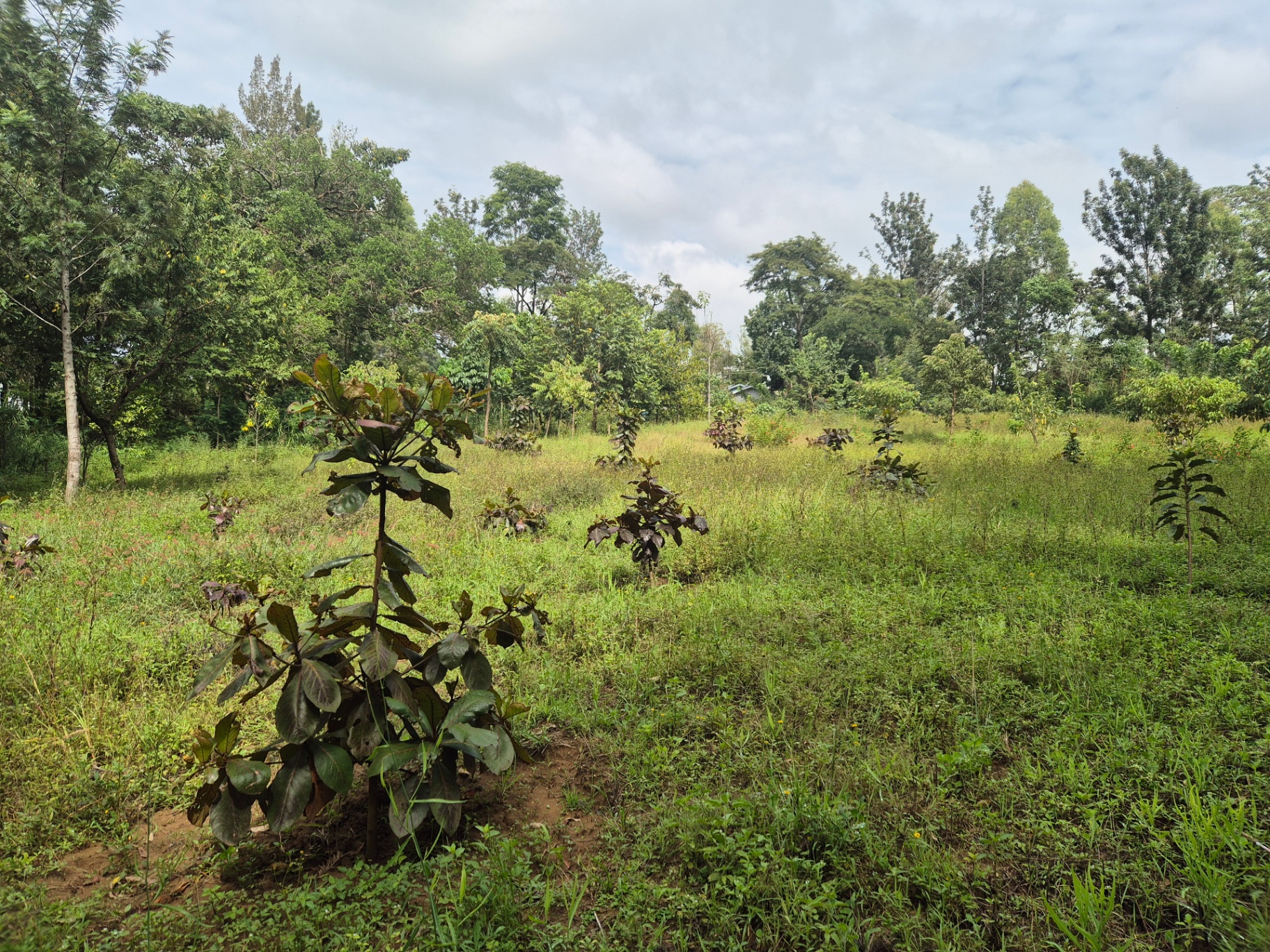
Young trees taking hold in a regenerating field at the Mary Munei Community Resource Centre
New growth at MCRC: the most recent planting on the nine acres, photographed in 2021.
Inside view of part of the nine-acre urban forest with recent infills
Inside the nine-acre urban forest, with the newest infills in the foreground.
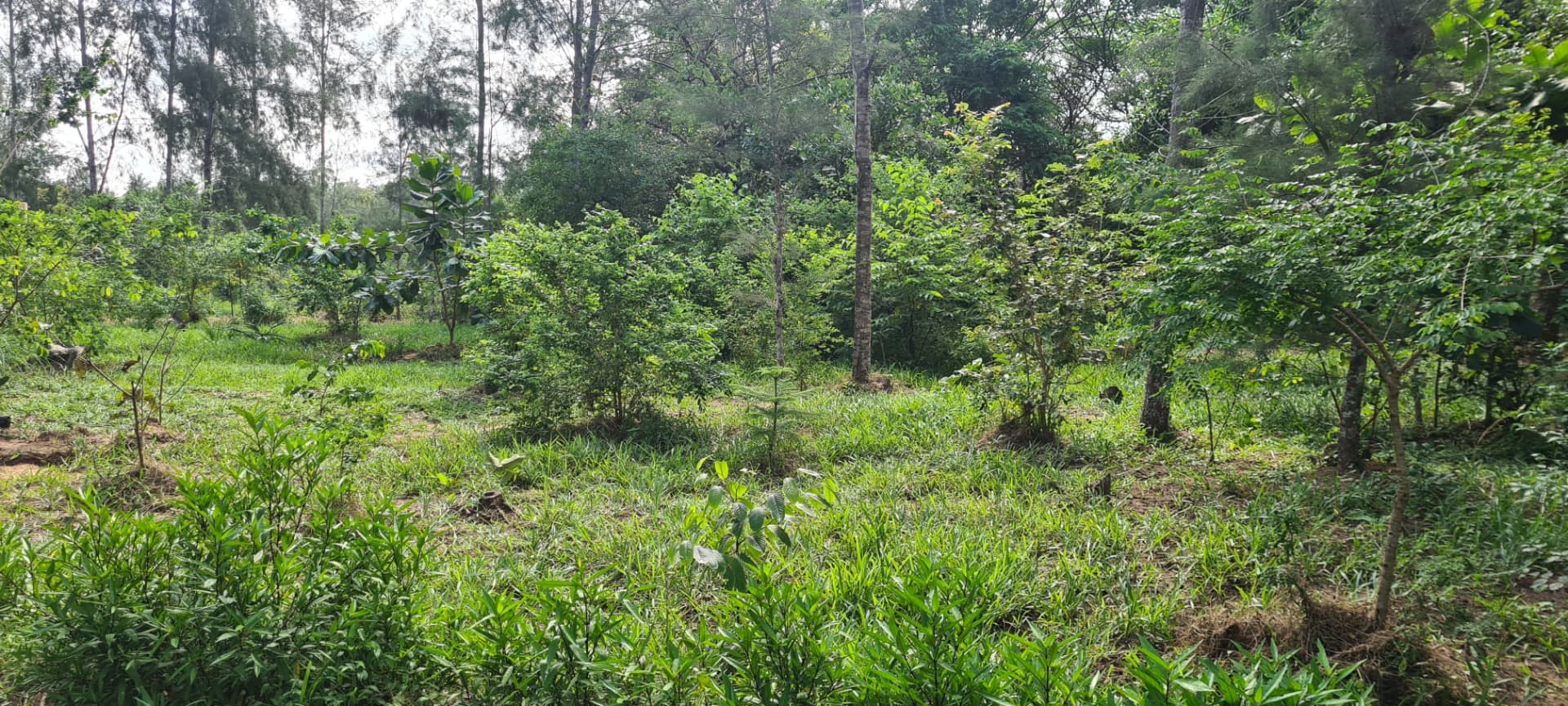
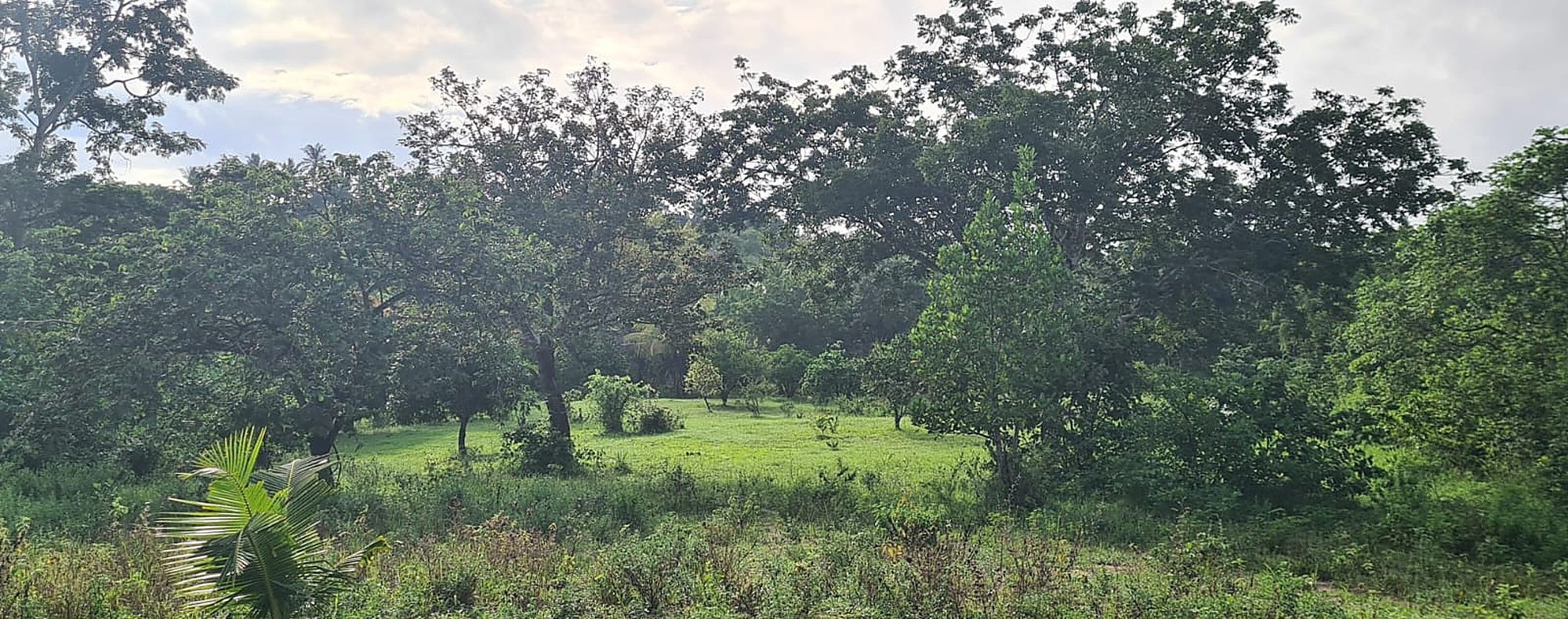
Restored indigenous canopy and open glade on the 110-acre South Coast forest
One hundred and ten acres restored — canopy, glade and beehives, fifty miles from Mombasa.
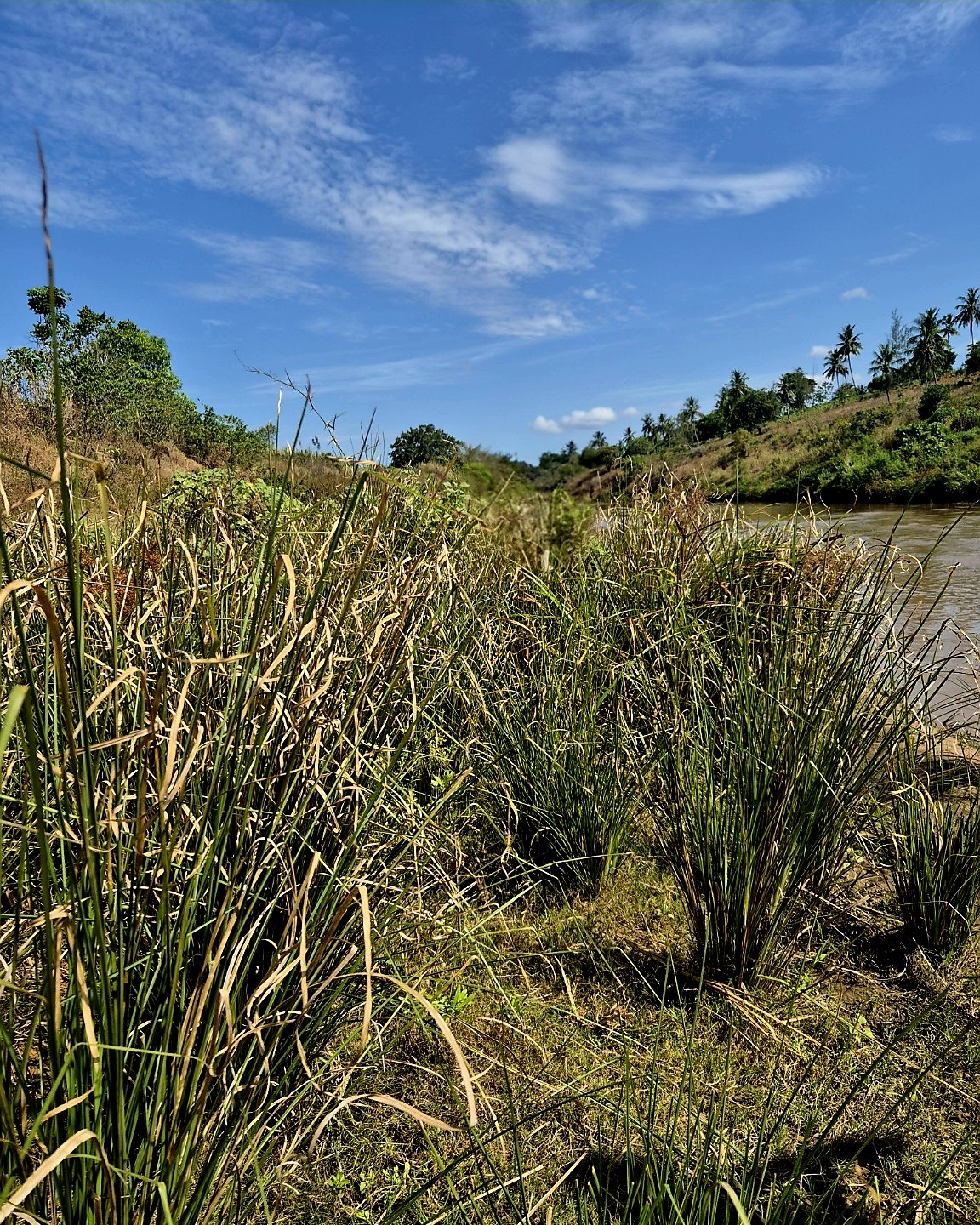
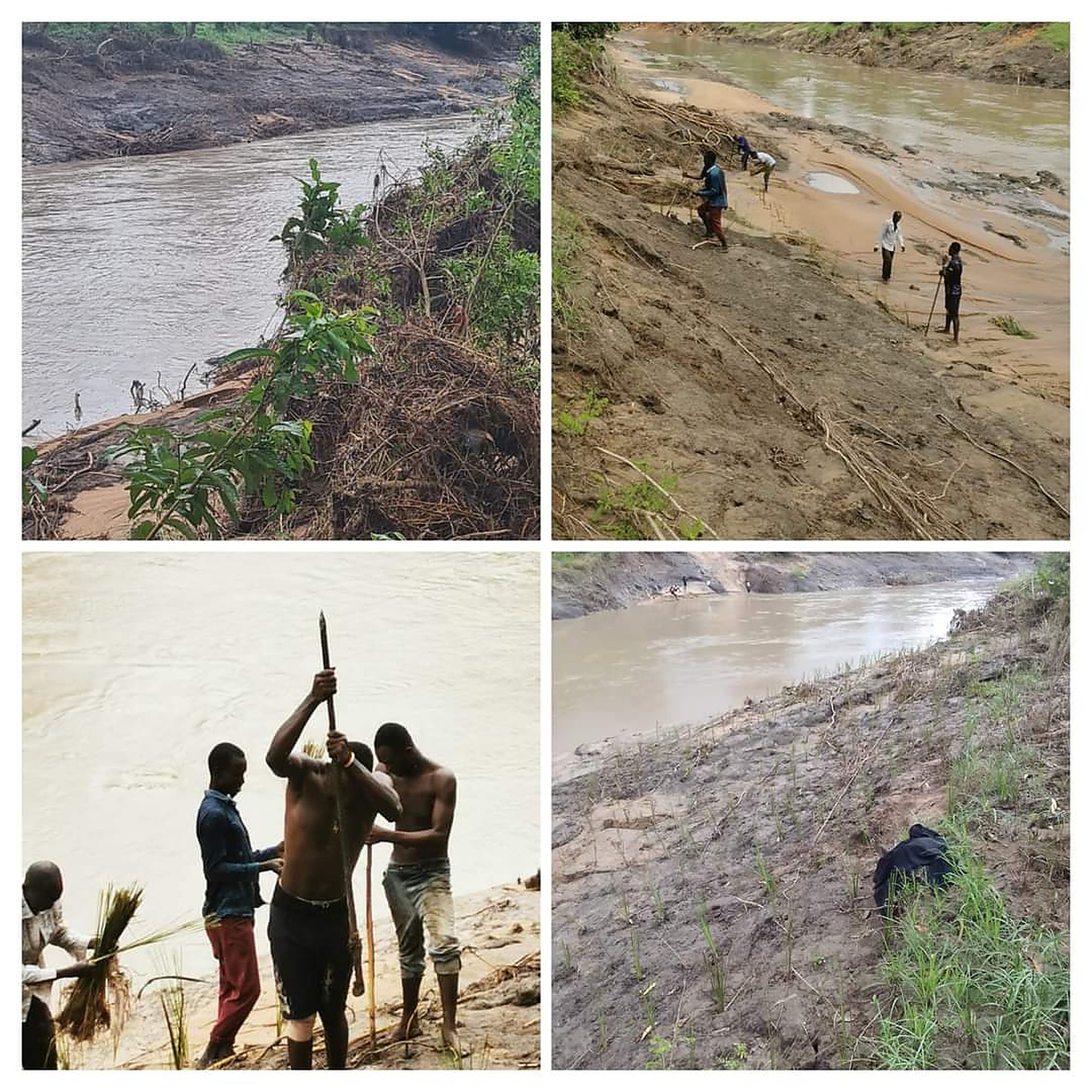
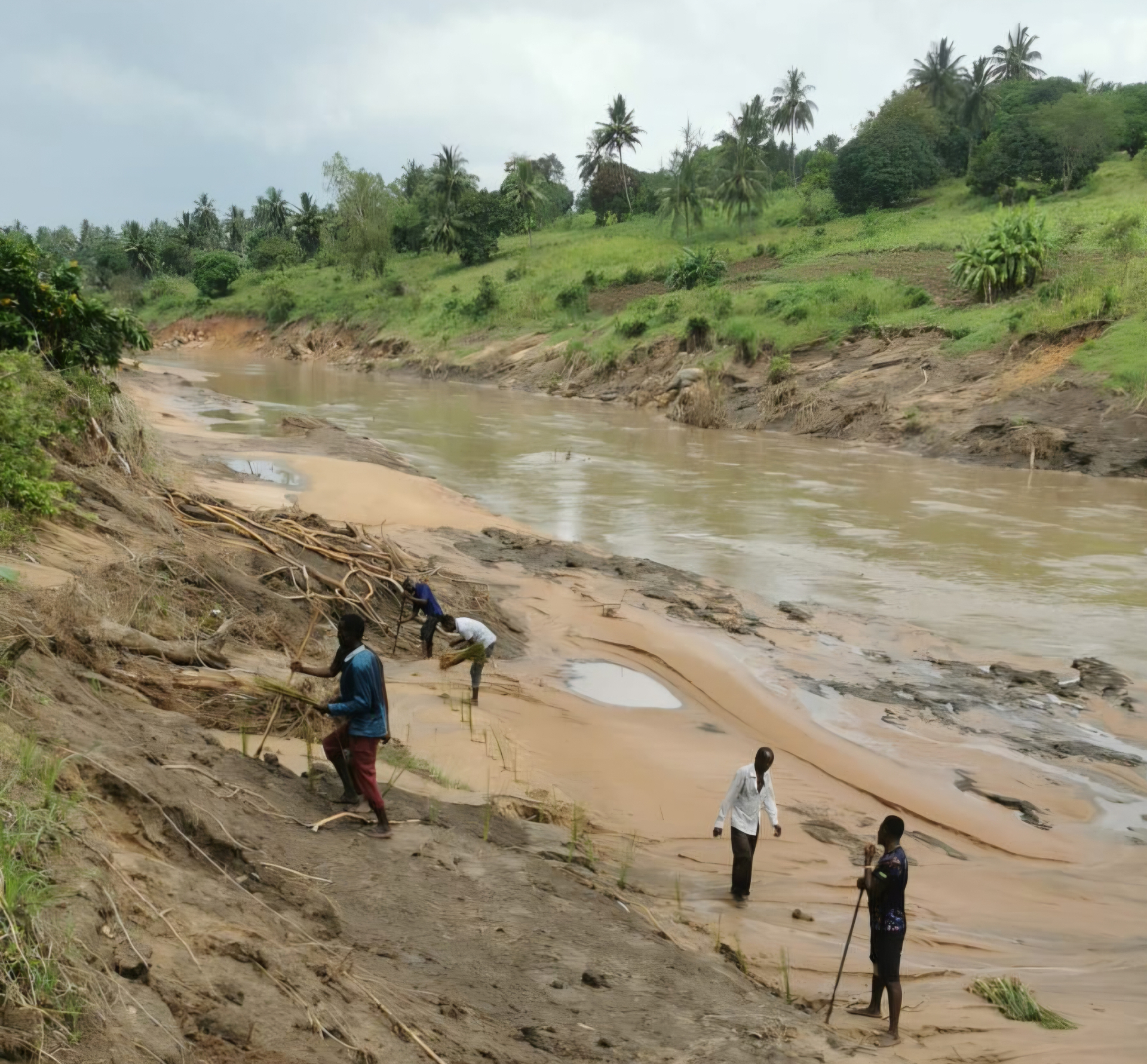
Volunteers carrying vetiver slips along the Ramisi River
Volunteers carry vetiver slips along the Ramisi River, part of a self-funded riparian rehabilitation led by Francis Wanaswa.
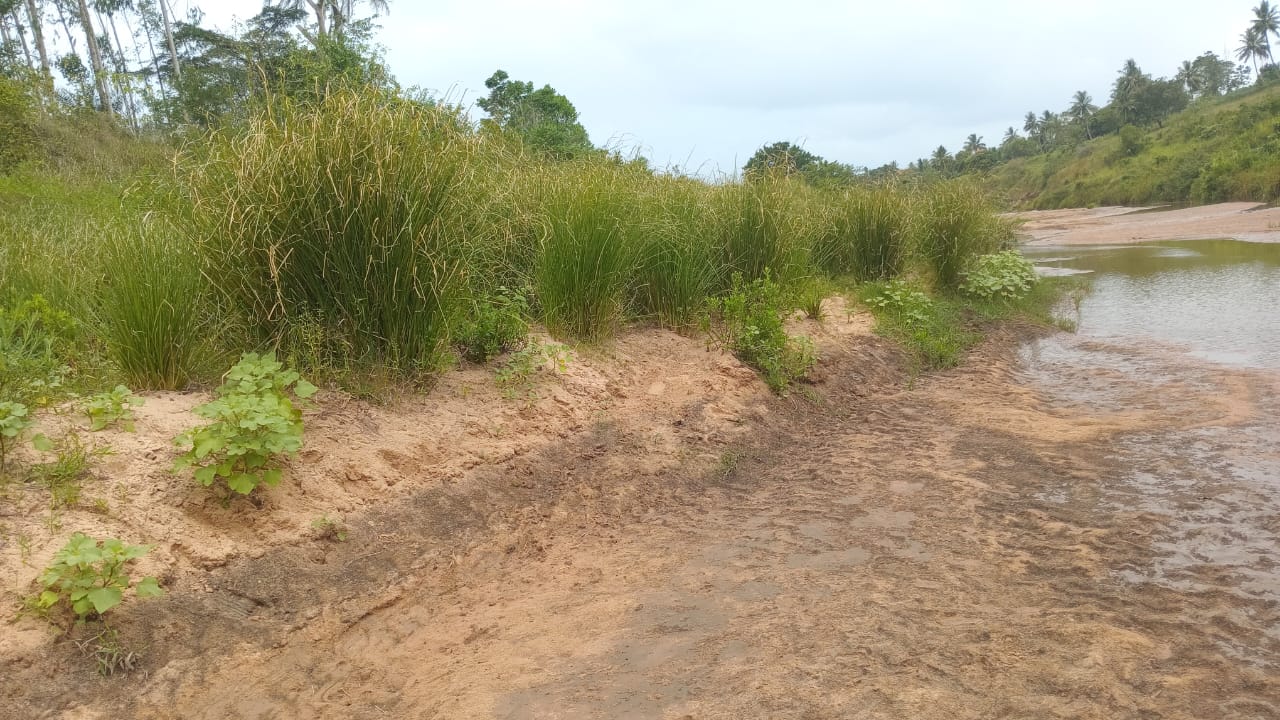
Established vetiver clumps anchoring a sandy river bend
Barely a year on — established vetiver clumps anchor the bend and sandy banks stay put.
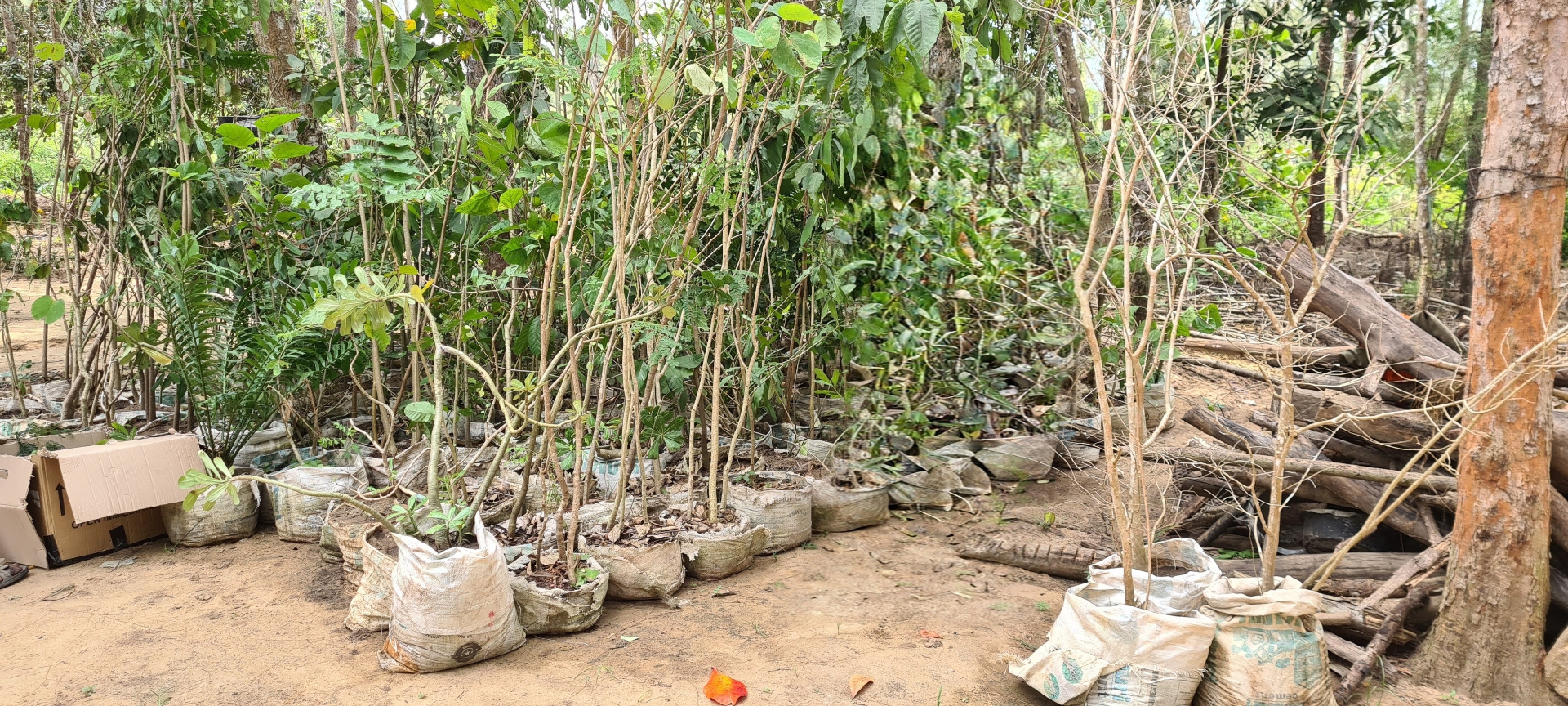
Seedlings bagged and prepared for planting
Seedlings bagged and prepared for planting — a generous gift from a well-wisher in 2022.
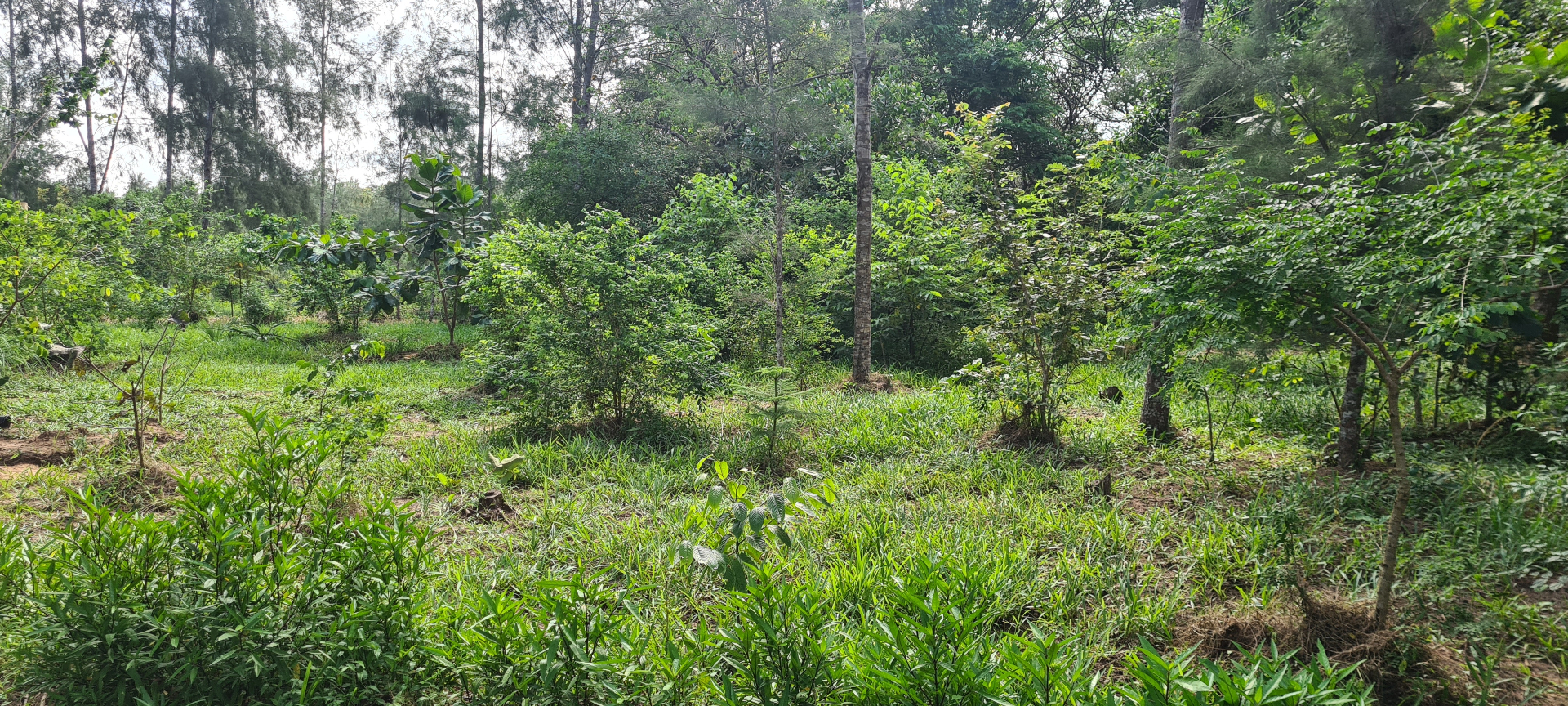
Young indigenous trees and grasses filling a coastal woodlot
The woodlot is filling in, with mixed indigenous stock closing the gaps on the Ridge.
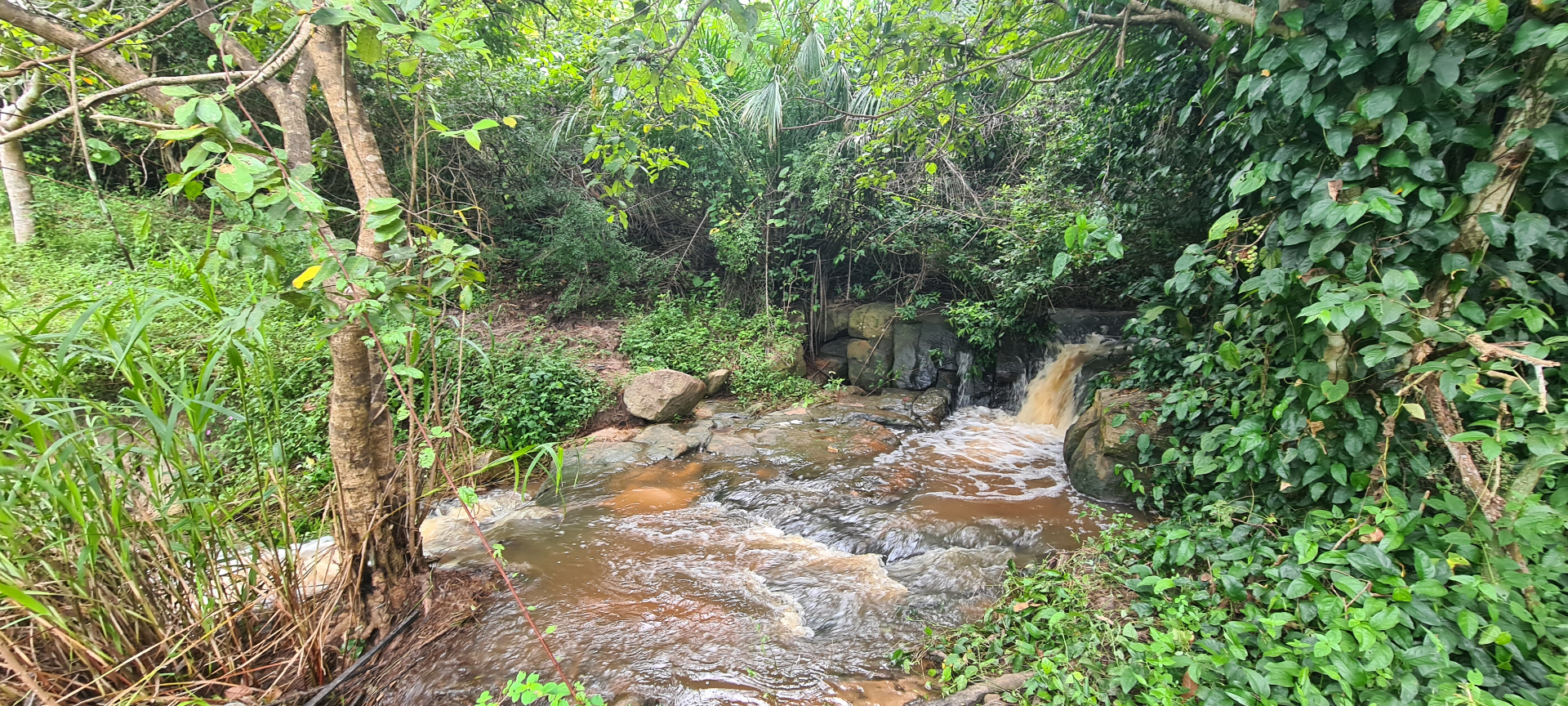
A waterfall on a seasonal stream within the Ridge
A waterfall on a seasonal stream within the Ridge. This is one of several sacred sites, kayas, within the 110 acres for the Digo community that hosts us.
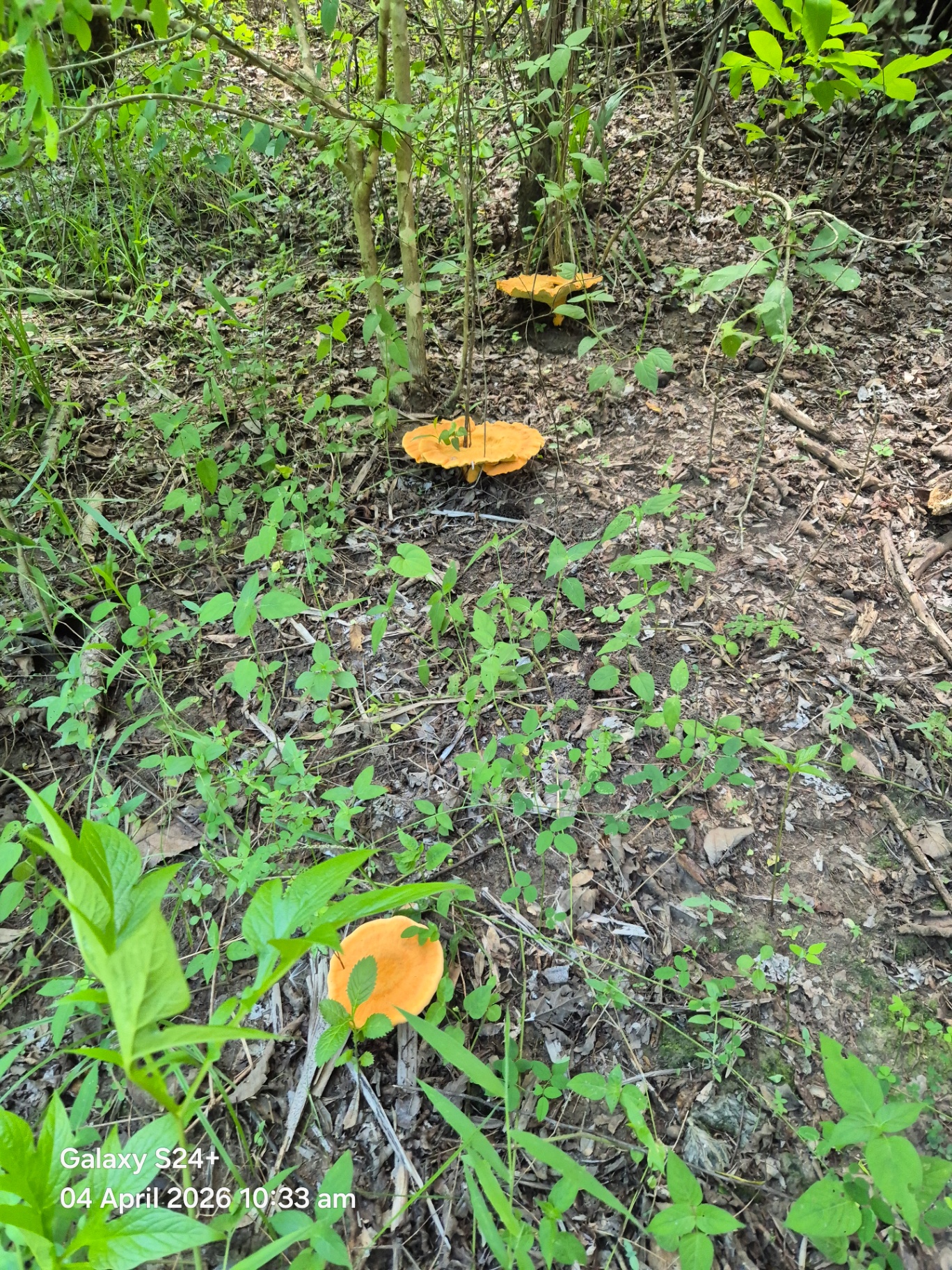
Wild orange mushrooms fruiting on the forest floor
Living soil — wild fungi fruiting on the forest floor, the surest sign of recovery.
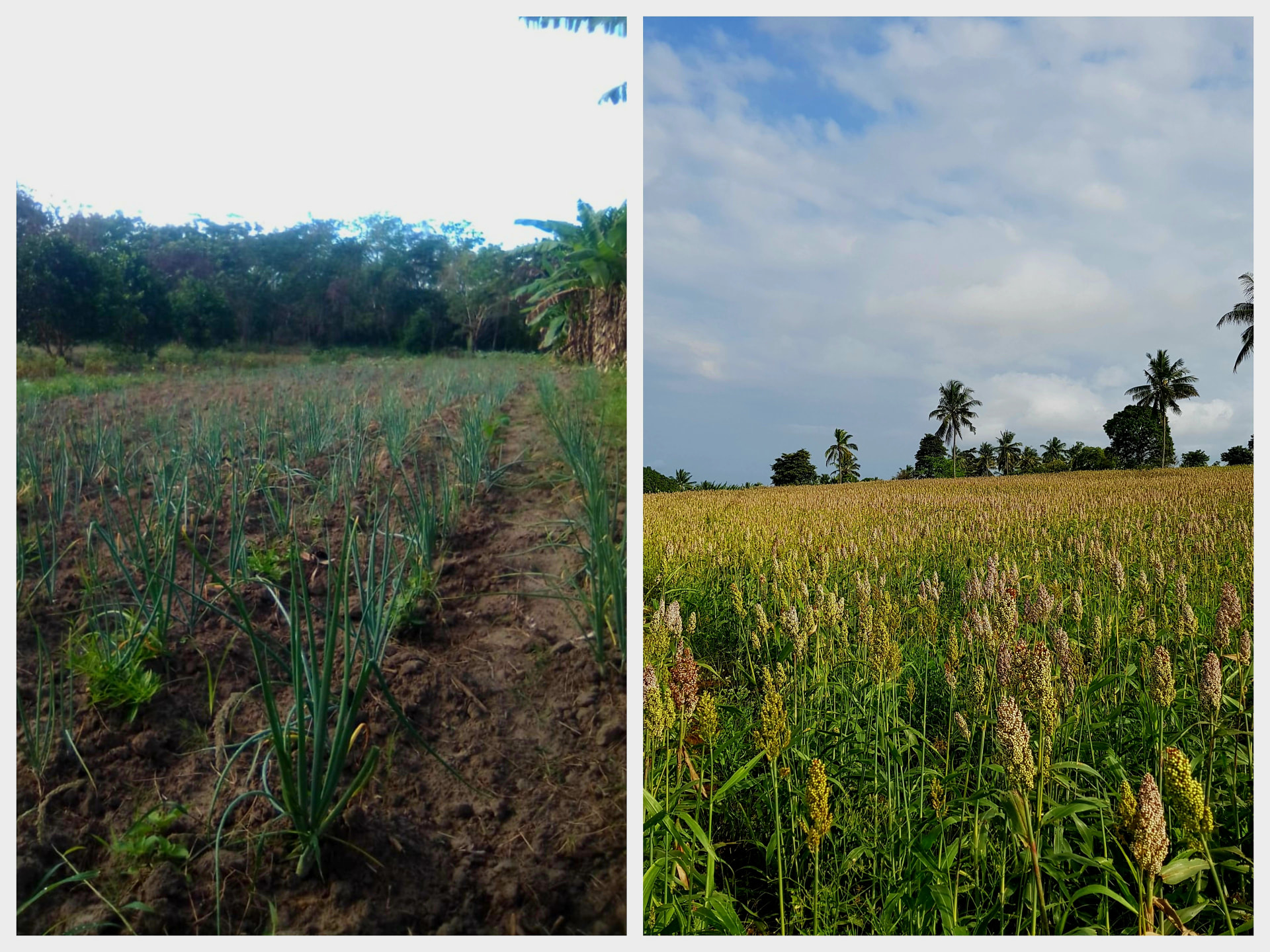
Onion plot on part of the 110 acres alongside a healthy crop of sorghum
Onions grown on part of the 110 acres at Mkelekeleni Ridge, alongside a healthy crop of sorghum on a separate 30-acre piece within the community, as a potential cash crop contracted with East African Breweries in 2018. These experiments, though not all successful as enterprises, offered valuable lessons.

01

A nine-acre urban forest

My homestead, which hosted the Mary Munei Community Resource Centre (MCRC), now sits within a nine-acre urban forest, standing where the largest tree nursery in the County once stood. What began decades ago with a handful of seedlings has grown into a thriving woodlot and living ecosystem. Despite the neighbourhood being now mostly built up, the forest provides refuge for birds, cools the air, protects the soil and continues to regenerate with little intervention.

A living demonstration that indigenous woodland can regenerate inside a built-up neighbourhood.
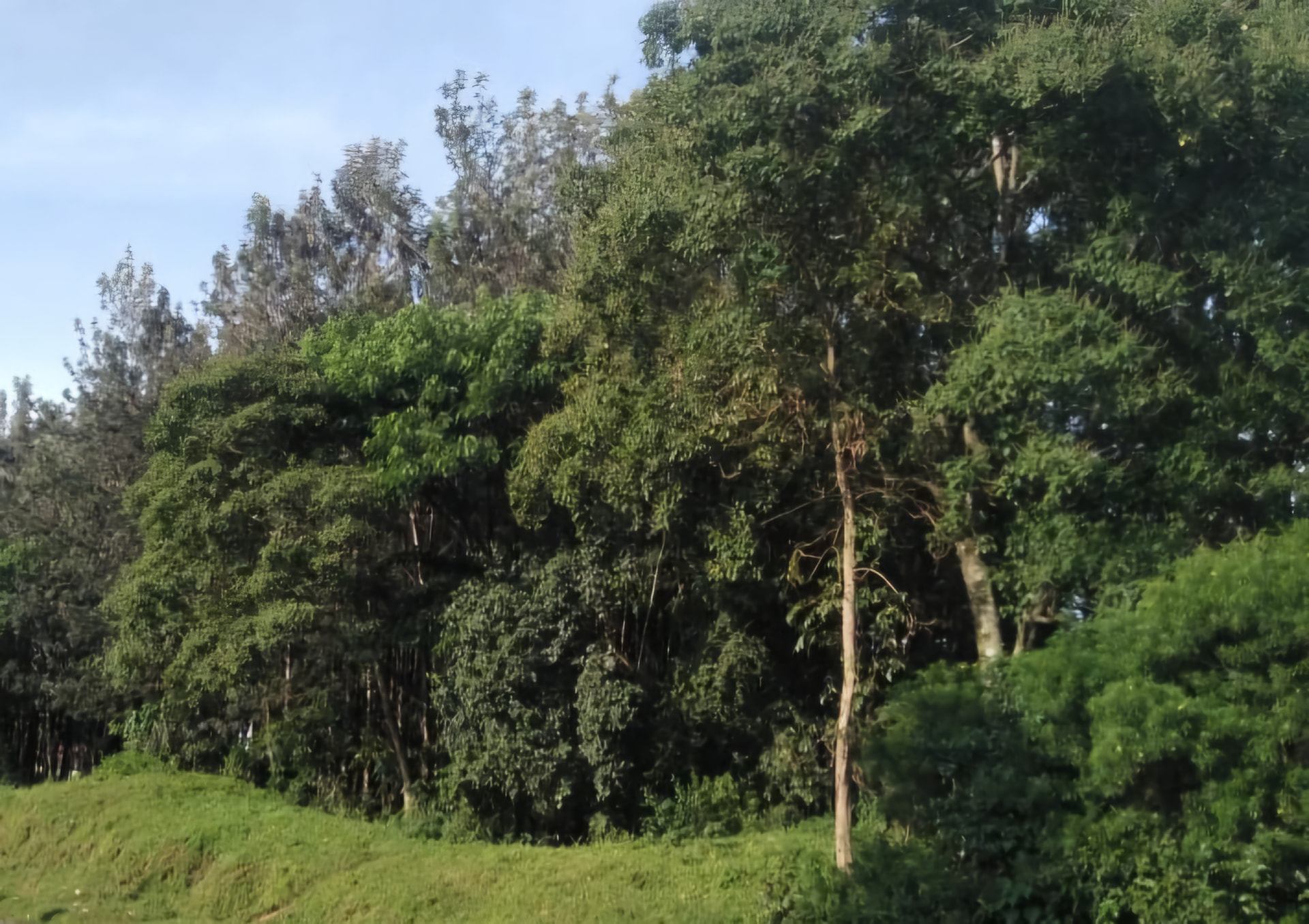
Dense mature canopy within the nine-acre urban forest in Western Kenya

02

Largest Tree Nursery in Bungoma County

Between 2004 and 2011, I co-led and sponsored a community tree nursery programme with Alice Barasa Nabwera under the Mary Munei Community Resource Centre (MCRC), a community-based organisation established in 2001. The Centre's mandate encompassed environmental conservation, scholarships, and community development, laying the foundation for what has since evolved into the Mary Munei Foundation.

Impact of the Nursery Programme

The nursery programme became a significant community-led conservation effort:

  • Over one million seedlings were propagated and distributed freely to members of the community.
  • 5,000 seedlings were supplied to schools, organised into five functional tree groups to support both environmental restoration and educational purposes.
  • The programme strengthened community ownership of environmental stewardship, ensuring that regeneration was not only ecological but also social and intergenerational.

Continuing the Mission

Today, the Mary Munei Foundation builds on this legacy by:

  • Restoring Landscapes through tree planting, soil rehabilitation, ecosystem restoration, and biodiversity protection.
  • Empowering Communities through training, livelihood opportunities, and youth engagement.
  • Honouring Heritage by integrating indigenous knowledge, ancestral wisdom, and cultural practices into conservation.

A Living Commitment

The nursery programme was never an end in itself; it was a beginning. Its legacy continues through the Foundation's support for tree-planting and landscape-restoration initiatives, ensuring that the work extends far beyond the original nursery and remains a collective, intergenerational commitment.

A community-led nursery that propagated over one million seedlings and seeded intergenerational environmental stewardship.
Rows of indigenous tree seedlings in black planting bags under shade netting at a Kenyan nursery
Mary Munei Community Resource Centre (MCRC) logo

03

Mkelekeleni Ridge Regenerative Project — 110 Acres Restored on the South Coast

In 2006, I acquired 110 acres of degraded farmland at Mkelekeleni Ridge in Mwarutswa Village, Kwale County, 50 miles from Mombasa. What began as exhausted cropland has since been regenerated into a thriving indigenous forest. More than 90,000 seedlings have been planted alongside expansive natural regeneration, creating a living landscape where biodiversity is steadily returning.

Today, Mkelekeleni Ridge is more than a forest. It anchors beekeeping, agroforestry, and riverbank rehabilitation, while serving as a prototype for community-led restoration. The project actively supports community seedling nurseries, enabling youth and women’s groups to propagate indigenous trees and extend restoration beyond the Ridge itself.

These nurseries, together with apiculture and livelihood programmes, ensure that ecological gains translate into shared community benefits. With wetlands, wildlife, and restored vegetation now flourishing, Mkelekeleni Ridge demonstrates how degraded agricultural land can be transformed into a resilient ecosystem. It stands as a model for ecological restoration, community partnerships, and nature-based livelihoods along Kenya’s South Coast.

Degraded coastal farmland now supports 90,000+ trees, beekeeping, agroforestry, and a community-based nursery network.
Mkelekeleni Ridge regenerating with mixed indigenous trees and ground cover

04

Rehabilitating the Ramisi River

I am leading the piloting of vetiver-grass riverbank rehabilitation along the banks of the Ramisi River, adjacent to the coastal forest.

These measures — alongside other ecological interventions — restore riverbank stability, reduce erosion, and regenerate ecological function.

By curbing sediment loss, the initiative safeguards downstream marine habitats, including the sensitive Shirazi–Funzi seascape along Shimoni, which sustains biodiversity, fisheries, and community livelihoods.

Vetiver grass and riparian planting are stabilising banks, cutting sediment, and protecting the Shirazi–Funzi seascape.
Vetiver grass holding the banks along the Ramisi River

05

A tea sommelier's palate

Raised in rural Kenya, where tea is woven into everyday life, my journey into the world of tea was both natural and inevitable. During my corporate career in the tea industry, I pursued the discipline of becoming a tea sommelier, developing the ability to assess tea with a trained palate and to understand quality across the entire value chain—from the finished cup back to the soil, climate and cultivation practices that shape it.

Through sommelier immersion I have tasted and assessed tea cultivars from China, Indonesia, Vietnam, Kenya, Argentina, India, Japan, Sri Lanka, Turkey, Rwanda, Uganda, Malawi and other countries across the world — each cup a lesson in terroir, tradition and the hands behind the leaf.

For me, becoming a sommelier was more than a professional pursuit. It deepened my connection to something familiar from childhood and gave me a different way of understanding the land, and the world. It sharpened my palate, but also my appreciation of how farming practices, soil health and stewardship influence flavour, sustainability and the livelihoods of farming communities.

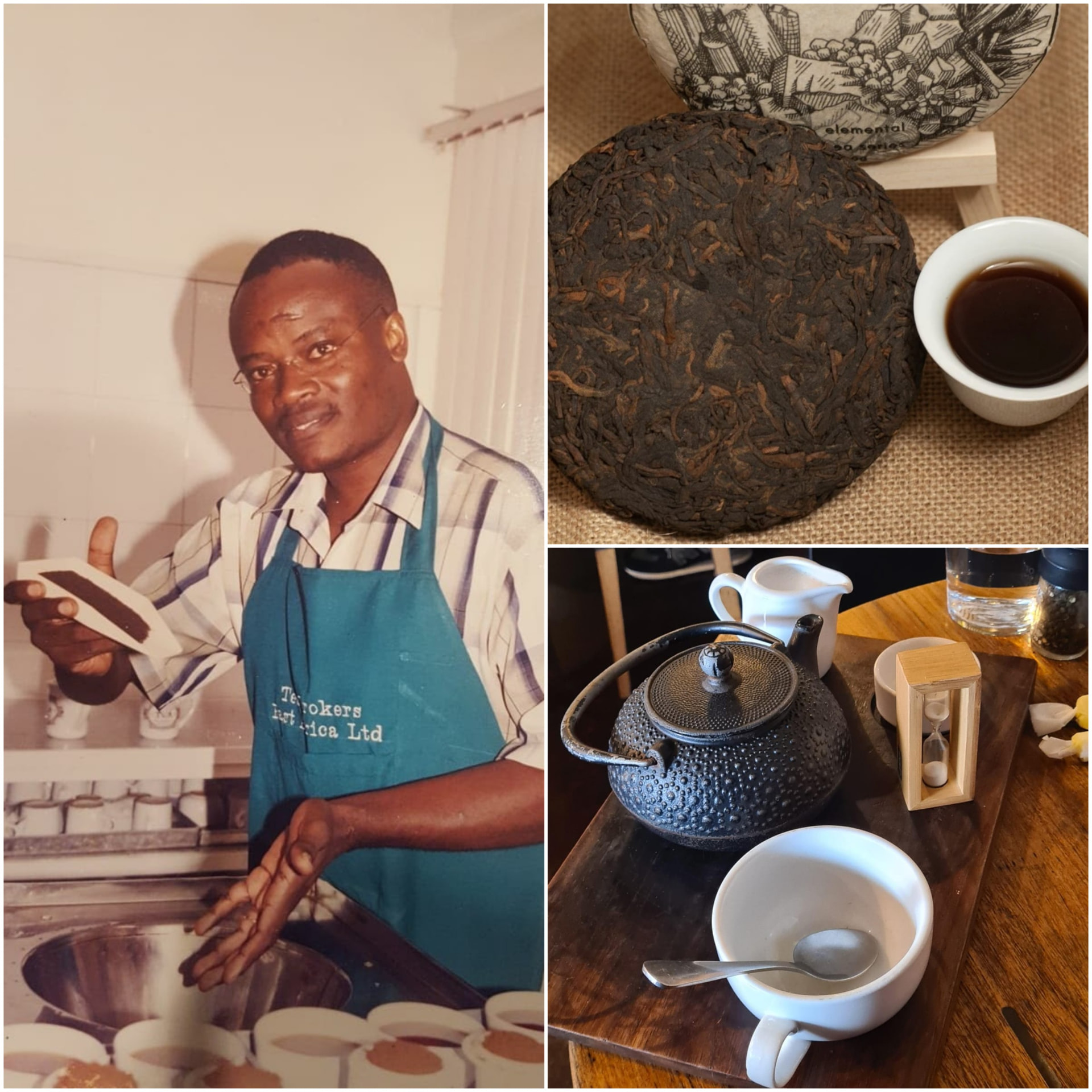
A trained palate across 12+ tea origins turns a professional skill into a deeper lens for soil, culture, and climate.
Francis Wanaswa in the tea room, with pu-erh cake and cast-iron teapot

Bring this work to your organisation

Invite Me to Speak