About

A life spent between the forest and the supply chain

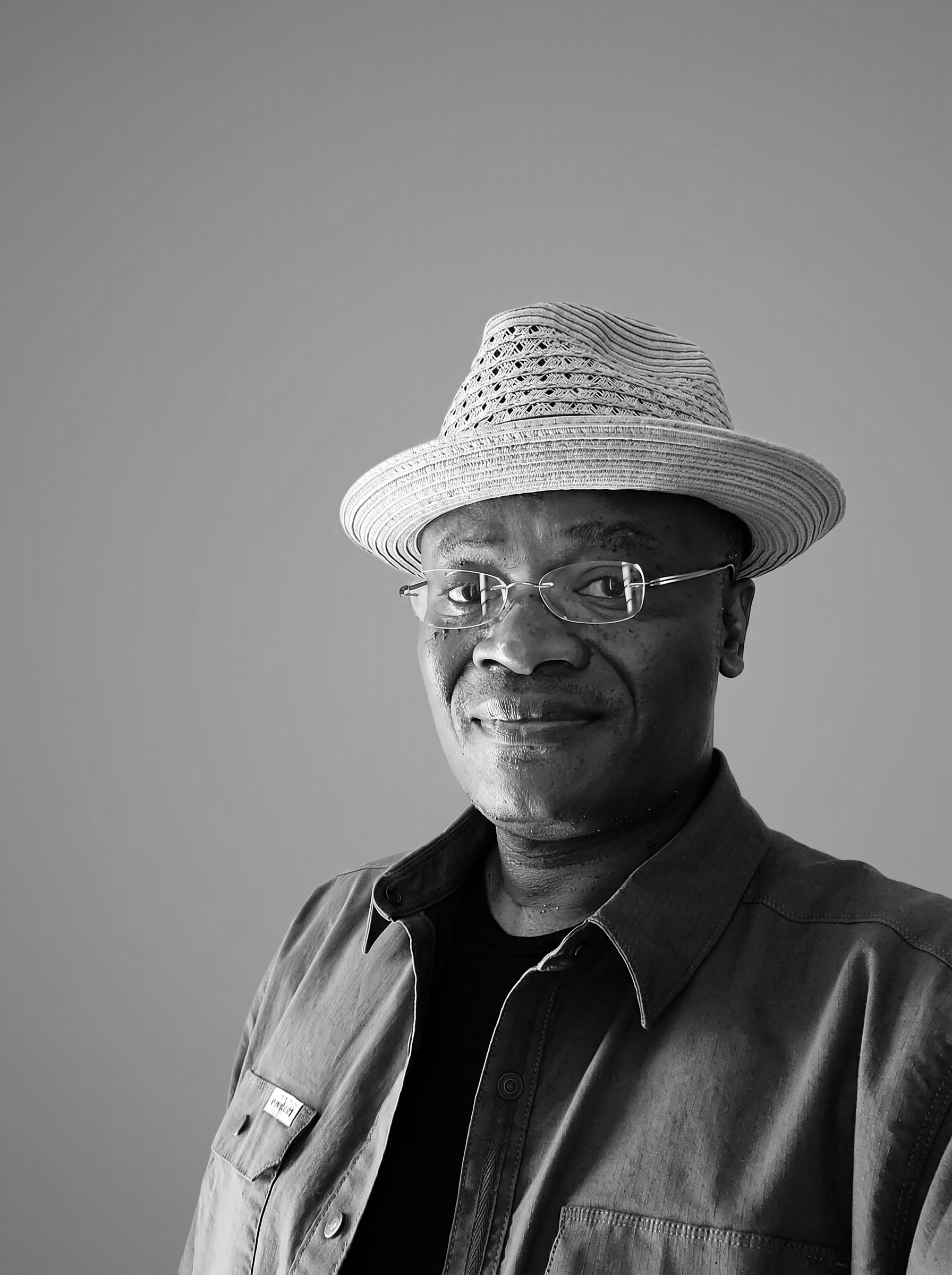
Francis Wanaswa, B.Com, MBA, MCIPS

  • Sustainability
  • Indigenous Knowledge
  • Regenerative Food Systems Advocate
  • Climate & Community Steward
  • Tree Planter

Early Life and Environmental Roots

Originating from the Niger-Cameroun region during the ancient Bantu expansion, the ancestors of the Bukusu migrated eastward through the Great Lakes region and Nile Valley before settling around Mount Elgon (Sikulu sya Masaaba) and establishing their modern home in Western Kenya.

I grew up on the forested ridges of the lower slopes of Mount Elgon in Western Kenya, a land of rich volcanic soils, sacred groves, and the famed cave elephants that shelter within its lava-tube caverns. The landscape was not only biologically abundant but spiritually charged: the cradle of Bukusu ecological knowledge and the environmental ethic that shaped my worldview from childhood.

Bukusu cosmology, rooted in the dictates of Wele Khakaba (God the Creator), holds that humans, animals, forests and rivers exist within a single moral order. Customs and taboos safeguarded that balance: no cutting of sacred trees, strict protection of water sources, regulated hunting seasons. These practices functioned as environmental governance long before modern conservation frameworks had a name for them.

Learning from Elders

My earliest education unfolded alongside formal schooling, guided by elders and ritual specialists. I learned the functions of trees and plants: which roots, leaves and shrubs treated ailments; how to cultivate, process and store ancient grains in granaries; how to prepare bamboo shoots, a seasonal delicacy harvested from the mountain's slopes.

Beyond grains I absorbed a wide repertoire of traditional culinary practices: gathering wild greens, identifying edible insects, and mastering the art of harvesting chiswa (flying termites), a prized protein source that Bukusu communities coax from the ground with rhythmic tapping and rattles, a practice reflecting deep ecological knowledge and genuinely sustainable protein harvesting.

I also learned sustainable firewood collection, guided by taboos that prohibited cutting near springs or damaging regenerating stands. Specific species were chosen for yokes, walking sticks and household implements, always with restraint and renewal in mind, so that resource use remained balanced with ecological regeneration.

An ancestral curriculum

Medicinal plants
Roots, leaves and shrubs used to treat ailments, learned directly from herbalists.
Ancient grains
Cultivating, processing and storing indigenous grains in traditional granaries.
Bamboo shoots
A seasonal delicacy harvested from the slopes of Mount Elgon.
Wild greens & chiswa
Foraged greens and flying termites, protein coaxed from the earth with tapping and rattles.

Ritual Specialists

  • Rainmakers who interpreted atmospheric signs and invoked seasonal balance
  • Ironmongers whose craft linked metallurgy with cosmology and land protection
  • Oracles (bafumu) who guided decisions on land use, conflict resolution, and communal wellbeing
  • Herbalists who preserved plant knowledge essential to community health

These figures enforced taboos that protected forests, rivers, bamboo groves, termite mounds and wildlife corridors, ecological wisdom embedded in ritual authority. I witnessed the rites marking life's milestones: initiation, harvest, healing, reconciliation. Each one reinforced a single principle, that humans are custodians of the environment. My worldview as a conservationist and tree planter is a direct extension of those traditions, which harmonised spirituality, culinary practices and environmental protection into a coherent way of life.

“Conservation is not a modern invention. It is an ancestral responsibility.”
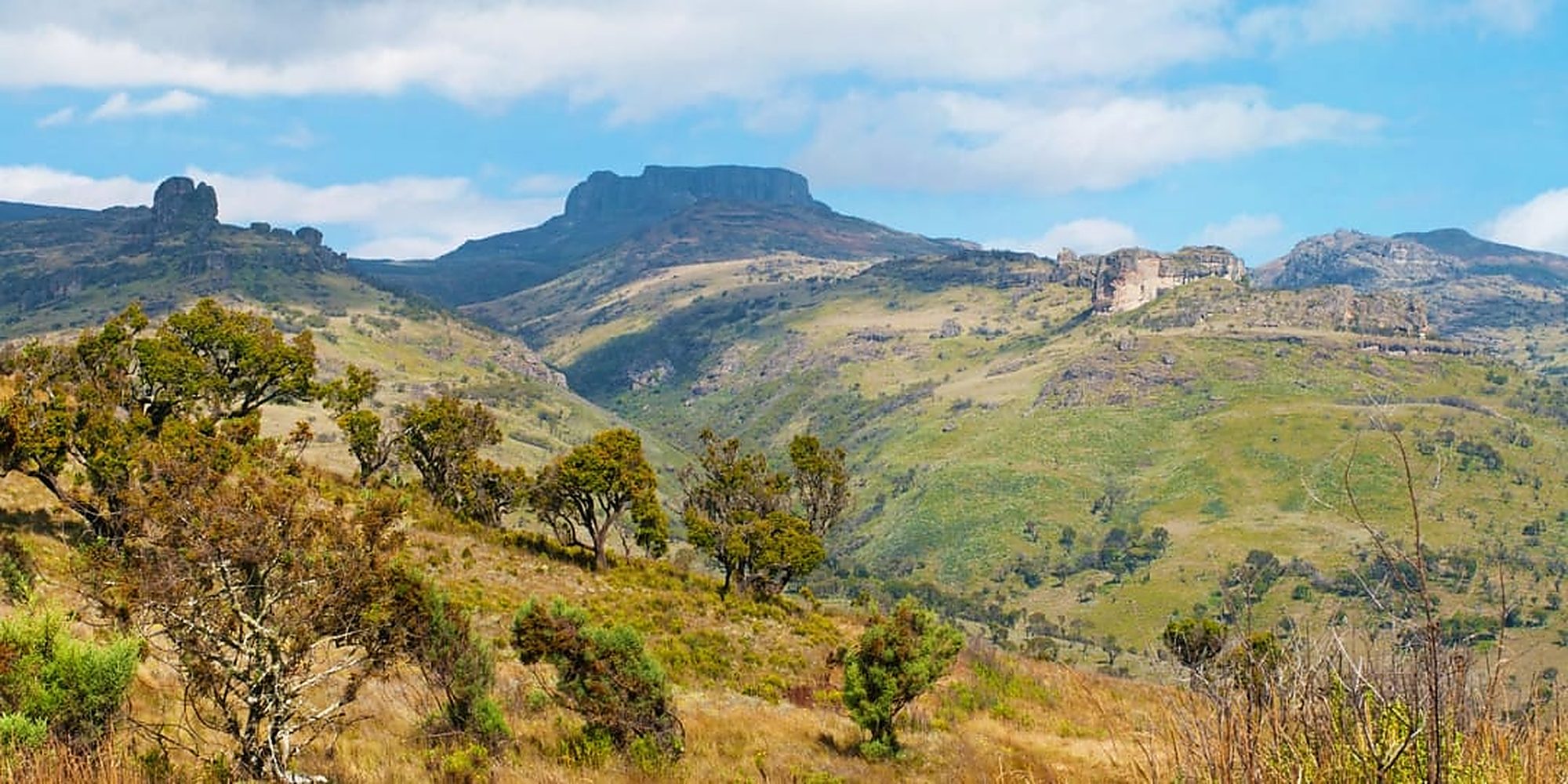
Moorland and escarpment ridges of Mount Elgon, an ancient caldera
The Moorland of Mount Elgon, an Ancient Caldera Sitting Astride the Border of Kenya and Uganda

Education and Early Leadership

At the renowned Alliance High School, I refined my leadership as House Captain, prefect, and secretary of the Writers' Club. At the University of Nairobi I studied business while running a successful commercial photography enterprise and editing the university's Marketing Review magazine.

That early blend of creativity, enterprise and responsibility foreshadowed the multicultural, multidisciplinary career that followed.

Francis Wanaswa in cap and gown outside Symphony Hall, Birmingham, on my graduation day in 2009
Symphony Hall, Birmingham, United Kingdom, 13 June 2009 — Graduation Day of the Chartered Institute of Procurement & Supply (CIPS)

Global Career in Procurement and Sustainability

For more than thirty years I have led procurement, sustainability and sustainable sourcing transformation with a leading multinational organisation, working across Africa, South East Asia and the Americas. My career spans North America, Latin America, East Africa and Southeast Asia, giving me a rare, lived understanding of diverse cultures, supply networks and operating environments.

I have worked directly with farmers in the United States, Canada, Argentina, China, Vietnam, Indonesia, the United Kingdom and more than six countries across Africa, prototyping and implementing regenerative agriculture and sustainable food systems. That hands-on engagement with growers, producers and rural communities shaped a deep appreciation for agricultural systems, food security, and the realities of global supply chains.

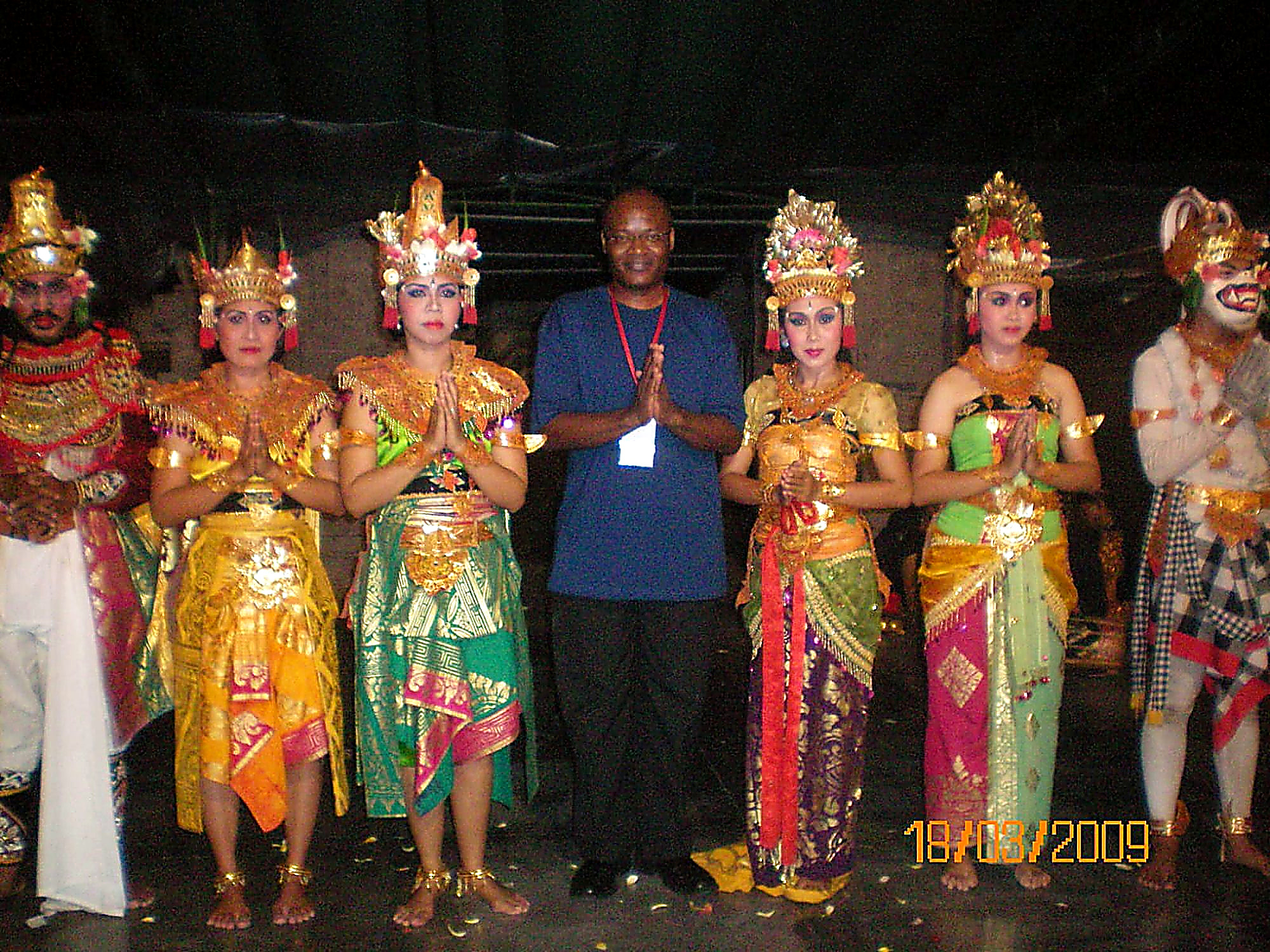
Francis Wanaswa with Balinese performers during work in Southeast Asia, 2009
Bali, 2009 — Cultural Immersion in South East Asia

Tea Industry and Sommelier Experience

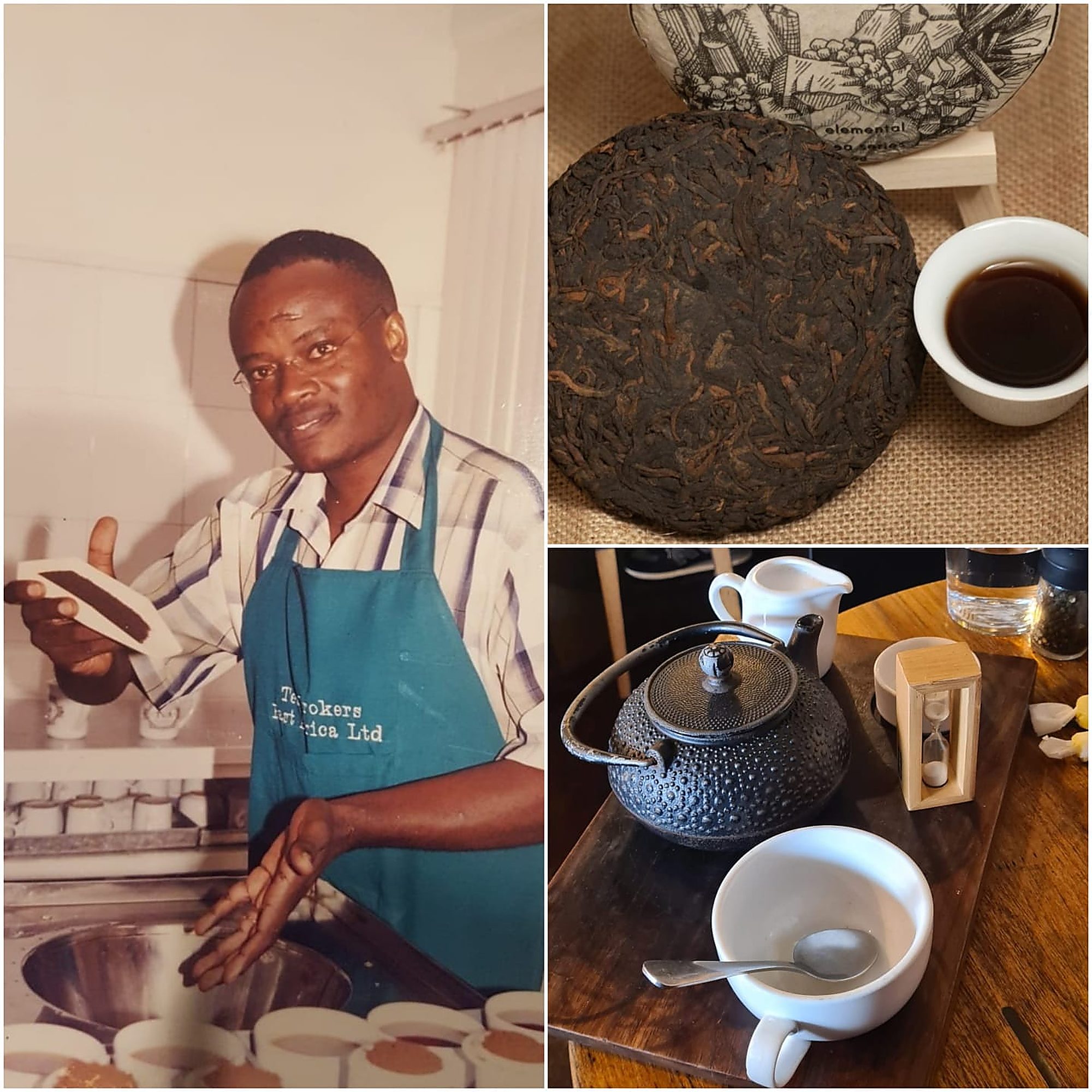
During my corporate career, while working in the tea industry, I also emerged as a tea sommelier, a natural evolution for someone who grew up in a part of rural Kenya where tea is a daily staple, and a discipline that taught me to read quality from the cup back to the soil.

Tea tasting cups arranged for professional evaluation
Reading Quality from the Cup Back to the Soil

Achievements in Procurement and Climate Impact

I have restructured major agricultural categories, built resilient multi-country supply networks, and advised senior leadership on sourcing strategy, acquisitions and capital investments. Known for rigorous cost analytics and integrity, I have demonstrated that commercial performance, sustainability and climate impact can reinforce each other rather than compete.

Lifelong Commitment to Tree Planting

Yet my deepest identity is older than my corporate career: I am a lifelong tree planter. My rural family home in Western Kenya sits on nine acres of urban forest grown over decades. I co-led the largest tree nursery in Bungoma County, propagating more than one million seedlings, all donated to the community, including 5,000-seedling packages for schools across five functional tree categories.

I acquired 100 acres of degraded farmland on the South Coast of Kenya in 2006 of Kenya, 50 miles from the port city of Mombasa, and regenerated it into indigenous forest, with more than 90,000 seedlings planted alongside expansive natural regeneration. Planting continues as a prototype for the community, and the forest now supports beekeeping, agroforestry and community partnerships.

Along the Ramisi River adjacent to the forest, I am piloting riverbank rehabilitation that restores ecological function and protects the marine ecosystems of the Indian Ocean at Shimoni by mitigating wanton erosion.

Current Focus and Invitation

Today I bring together procurement, sustainability, sustainable sourcing, climate impact and deep environmental roots to help organisations, investors and communities design regenerative systems that deliver measurable ecological impact, community value, and long-term resilience. I invite partners, philanthropies and collaborators who believe in regeneration, not just as a climate strategy, but as a way of life.

Invite Me to Speak