Speaking Engagements
Keynotes and platform appearances that connect ancestral ecological knowledge with the hard commercial realities of global supply chains.
Inspiring Action for RegenerativeCommunities & the Planet
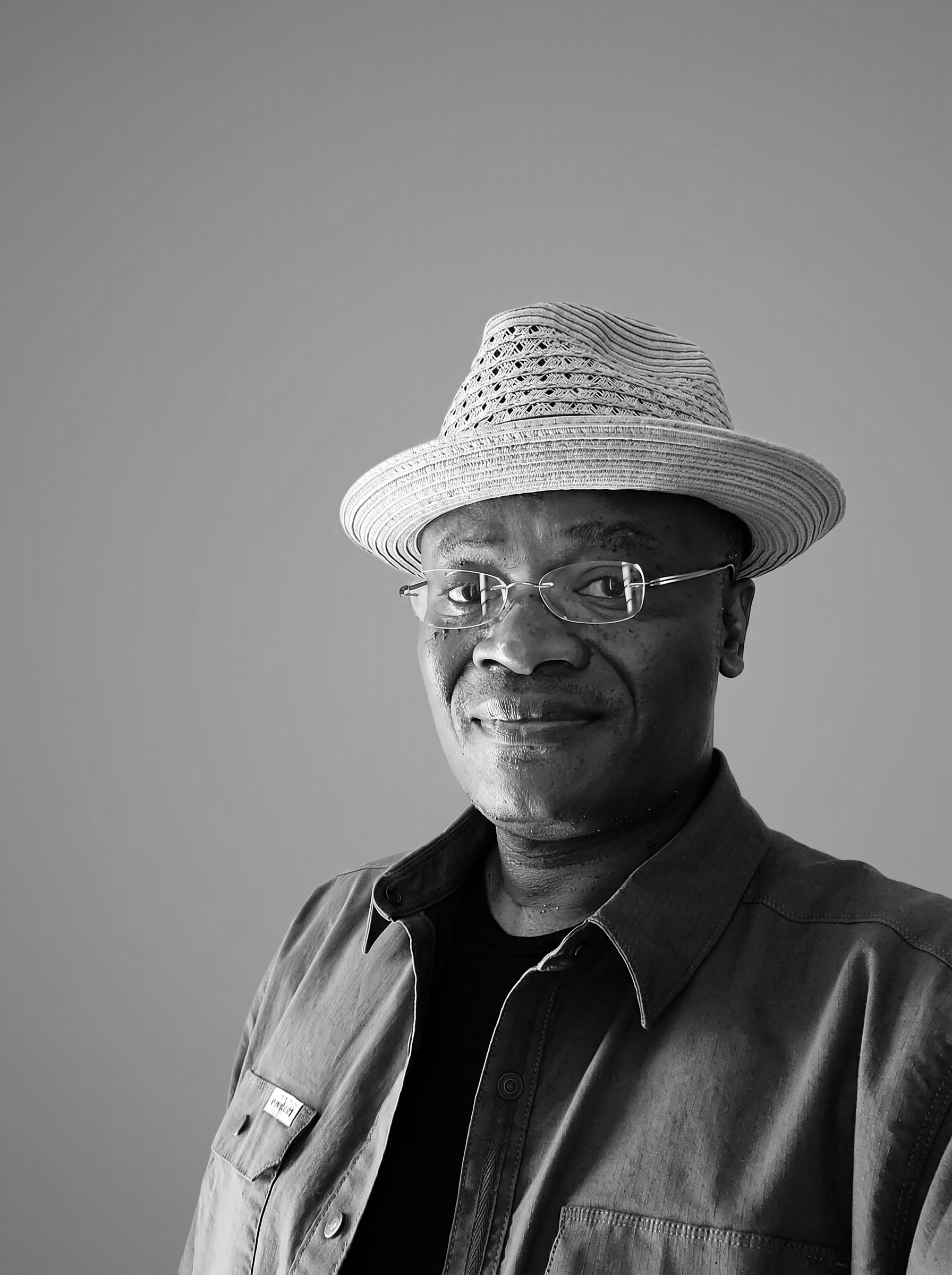
Francis Wanaswa, B.Com, MBA, MCIPS — three decades leading procurement and sustainable sourcing across five continents, and a lifetime planting trees on the slopes of Mount Elgon and the Kenyan coast.
Mission Statement
I plant trees, literally in the soil and metaphorically in people, communities, and systems, to restore what is broken and nurture what is becoming.
My purpose is to leave living roots behind me: ideas, opportunities, and landscapes that grow long after I am gone.
Regeneration is not just a climate strategy, but a way of life.
0+
Seedlings propagated and donated to communities
0 acres
Degraded farmland regenerated into indigenous forest
0+
Trees planted on the South Coast of Kenya
0+ years
Global procurement and sustainable sourcing leadership
Originating from the Niger-Cameroun region during the ancient Bantu expansion, the ancestors of the Bukusu migrated eastward through the Great Lakes region and Nile Valley before settling around Mount Elgon (Sikulu sya Masaaba) and establishing their modern home in Western Kenya. I grew up on those forested ridges on the lower slopes of Mount Elgon, a land of rich volcanic soils, sacred groves, and the famed cave elephants that shelter within its lava-tube caverns. Biologically abundant and spiritually charged, it was the cradle of the Bukusu ecological knowledge and environmental ethics that shaped my worldview from childhood.
Bukusu cosmology, rooted in the dictates of Wele Khakaba, holds that humans, animals, forests and rivers exist within a single moral order. Customs and taboos safeguarded that balance (forbidding the cutting of sacred trees, protecting water sources, regulating hunting seasons), environmental governance long before modern conservation frameworks existed. Alongside formal schooling, elders and ritual specialists taught me which roots and leaves healed, how to cultivate ancient grains, and how to harvest bamboo shoots and chiswa with restraint and renewal in mind.
That worldview travelled with me. For more than thirty years I have led procurement, sustainability and sustainable sourcing transformation with a leading multinational across Africa, Southeast Asia and the Americas, working directly with farmers in the United States, Canada, Argentina, China, Vietnam, Indonesia, Brazil, the United Kingdom, Kenya and 6 other African countries to prototype and implement regenerative agriculture and sustainable food systems.
Opportunities for Collaboration
As a lifelong tree planter, environmental advocate and sustainable sourcing expert, I offer speaking, training, and advisory services designed to inspire action and foster sustainability.
Keynotes and platform appearances that connect ancestral ecological knowledge with the hard commercial realities of global supply chains.
Practical, hands-on programmes built on three decades of planting, propagating and teaching restoration that actually survives.
Strategy, governance and landscape-level counsel for organisations designing regenerative systems that must hold up commercially.
A rare voice that can hold both a procurement negotiation and a Bukusu proverb in the same sentence.